INFRARED AND TRADITIONAL SAUNAS
- Lowers blood pressure: Heat makes blood vessels widen, which can reduce high blood pressure over time.
- Simulates exercise: Sitting in high heat raises your heart rate much like a moderate walk.
- Supports longevity: Frequent sessions (4 to 7 times per week) are linked to a lower risk of fatal heart disease and stroke.
- Soothes muscles: Heat boosts blood flow to muscles and eases post-workout soreness.
- Eases stiffness: Regular heat exposure helps reduce pain from arthritis and chronic back conditions.
- Reduces stress: Heat triggers relaxation and can lower symptoms of depression.
- Improves sleep: Deep relaxation from a sauna session leads to better, more restful sleep.
Recovery & Wellness
spectrum health smart indoor ir saunas by cryo relief
Low EMF Indoor Infrared saunas
149°F · 100% Electric · Variety of sizes available
Infrared saunas use invisible light waves to heat your body directly at lower air temperatures than traditional saunas.
- Direct Absorption: The panels emit infrared energy that penetrates beneath the skin, warming your tissues directly.
- Lower Air Temperatures: Because the air does not need to be superheated, the cabin typically stays at a comfortable 120°F to 140°F, compared to traditional saunas that reach 150°F to 195°F.
- Sunlight Comparison: It works similarly to how the sun warms your skin on a cool day, but it filters out harmful ultraviolet (UV) rays.
– Tempered glass 8mm
– Minimun Temp. 68F
– Max Temp. 149F
– Canadian Hemlock or Red Cedar
– Digital Control/ LED screen control
– USB / MP3 / FM Radio / Bluetooth
– Chromotherapy LED lighting
– Number of Heaters 5
– Low EMF Far Infrared
– Water and heat treated
– Himalayan salt (optional)
– Red Light Rod (optional)


SPECTRUM HEALTH SMART INDOOR TRADITIONAL SAUNAS BY CRYORELIEF
Low EMF Traditional and Yoga Saunas
195F · Commercial Grade · Multiple Sizes Available
– Tempered glass 8mm
– Water bucket
– Bailer
– Sauna stove
– Hygrothermograph
– Canadian Hemlock or Red Cedar
– Hourglass
– USB / MP3 / FM Radio / Bluetooth
– Roof LED color light
– Back LED color light
– Himalayan Salt (optional)
– Red Light Rod (optional)
Traditional saunas heat the entire room using heated stones, reaching higher termperatures (150-195F) that offer unique physiological and cultural advantages compared to infrared models.
MOST POPULAR · CRIR 9202
149°F · 120v · Infrared · 2 person
The main difference between infrared and traditional saunas is how they create heat: traditional saunas heat the air around you with a stove and rocks, while an IR sauna uses light panels to warm you body directly.
- The Benefits: Because the gentle heat penetrates deeper into tissue at a lower ambient temperature, it is easier to tolerate for longer periods. Studies show it excels at reducing joint and muscle pain, lowering inflammation, and improving post-workout muscle recovery. It is also safer for people who feel dizzy or overwhelmed by extreme heat.
- Best For: Chronic pain relief, soothing sore muscles, lower stress, and gentle daily relaxation.
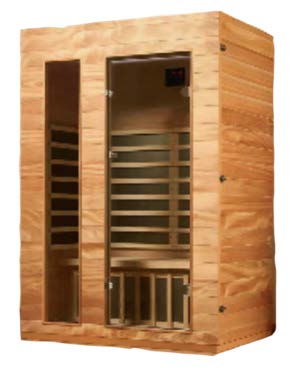
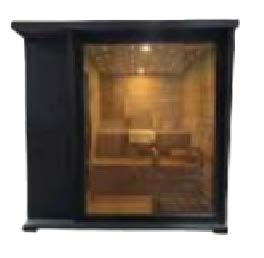
OUTDOOR OPTIONS · SPECTRUM HEALTH SMART OUTDOOR TRADITIONAL SAUNA
195°F · 220v · Traditional · 4-6 person
- The Benefits: Extensive long-term research (including notable 20-year studies) links frequent traditional sauna use to a significantly lower risk of fatal heart disease, stroke, and all-cause mortality. The intense heat drastically raises your heart rate and mimics moderate cardiovascular exercise.
- Best For: Cardiovascular conditioning, brain health protection, and overall longevity.
Frequently asked questions
How often should you use an IR sauna?
For most guests, 1-3 sessions per week support health and wellness goals. Listen to your body and adjust as needed.
Can anyone use an IR sauna?
Infrared saunas are safe for most healthy adults, but we recommend consulting your doctor about personal health concerns.
What are the cons of using either an IR or traditional sauna?
The main cons of using an infrared sauna include the risks of dehydration, overheating, lightheadedness, and low blood pressure from prolonged heat exposure.
What is the difference between IR and Traditional saunas?
-
The biggest difference between an infrared sauna and traditional sauna is the heating source. Traditional saunas rely on a heater and rocks. Infrared saunas generate heat from infrared lamps.
-
Traditional saunas get hotter than infrared models. This may help with detoxification from sweating. But the higher temperature may be an issue for people who are sensitive to heat or have underlying health conditions.
-
Both types of saunas can cause overheating and/or dehydration. No matter which type of sauna you use, avoid prolonged exposure to the heat and stay well hydrated.
What is the recommended treatment time for an IR sauna?
Treatment times vary depending on the individual and their heat tolorance. Most recommended treatment times are between 20-40 minutes.
How are toxins released during a sauna session?
- Trace Elimination: Studies show that sweat can contain tiny amounts of heavy metals (like lead and mercury) and chemicals (like BPA).
- Secondary Pathway: Your skin is a minor exit route compared to your kidneys and liver, which filter and process most waste.
- Main Purpose: Sweating in a sauna primarily cools your body down and improves blood flow rather than cleanses your system.
7916 Evolution Way
Trinity, FL 34655
Quick Links
Home
Financing
About
Contact
Products
Body Contouring
Cryotherapy
Red Light Therapy
Massage
Hyperbaric Chambers
Saunas
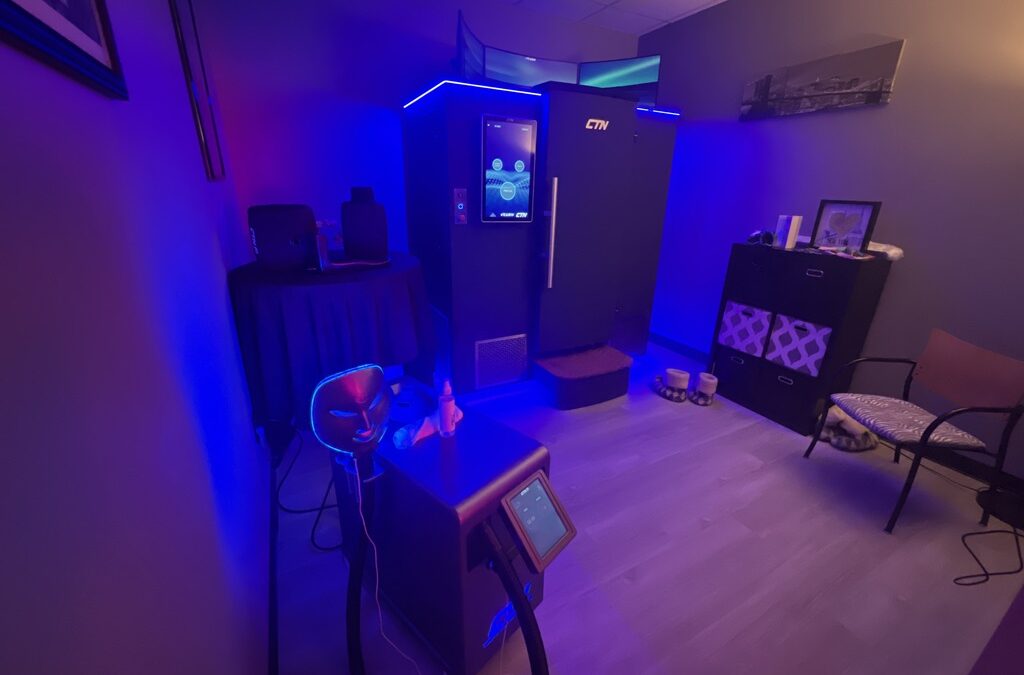
Cryotherapy Masks or Contour Pods: An In-Depth Comparison
Explore the differences between cryotherapy masks and contour pods. Learn how each option can enhance your skincare routine for a revitalized look and feel!